AUGMANITAI
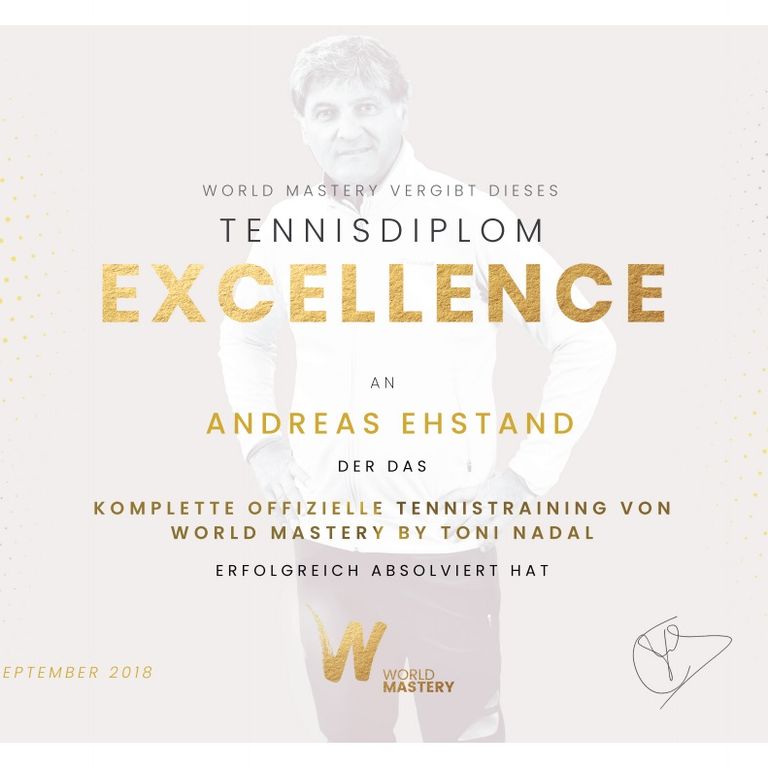
Research projectR&D eligibility certifiedBVMIDTop Expert 2026Prestel & PartnerKey Partner · Zurich ’26Swiss Future InstituteAI Future CouncilNadal ExcellenceCertificate+ Details

AI swarm work in Starnberg

Finding flow with AI agents

When you direct many AI threads at once, what helps you do your best thinking and enjoy the work? In Starnberg, we want to explore that question with experienced practitioners, using tasks they know firsthand.

AI-generated film

Interactive practice scenarios

What would you like to do better with your agents?

Three illustrative scenarios show how a personal goal shapes the experiment. Choose a task.

Choose a work scenario
AI artwork

Which idea would you choose to pursue?

A founder is looking for a new use for her product. She first writes down her own idea. In one round she gives every thread the same question. In the other she asks each thread to start from a different assumption.

She compares the range of usable ideas, when a thought of her own emerged and which round she enjoyed more.

AI artwork

When is another thread worth your attention?

An engineer is absorbed in a difficult change as results arrive from other agents. In one round he reviews each result on arrival. In another he holds them until a checkpoint he chooses.

He notes when it was easy to recover his train of thought, which work passed review and how much rework it took.

AI artwork

Which decision needs a person now?

A team is comparing vendors for a research project. Agents explore costs, feasibility and open questions. The same two colleagues handle the questions in both rounds. In one, whoever is available responds. In the other, the colleagues agree beforehand who owns each decision.

The team compares which decisions it can later justify, who had to wait and whether the work left room for ideas of their own.

Try it yourselfWhere would you ask a question?

Six AI threads are preparing Friday’s internal preview of a fictional customer lab. Choose one or two questions.

  • Customer quote · The draft includes a quote and the customer’s name.
  • Visual ideas · Three workflow sketches are ready to compare.
  • Product version · The English draft mentions an extra feature.
  • Demo opening · Two openings for the demo have been sketched.
  • Room layout · A second seating layout has been proposed.
  • Sales questions · Five similar questions have come in from sales.

Choose one or two questions in your head. The short film below shows one possible choice and includes a transcript.

Six threads, two questionsShort film · 47 sec

There is time for two questions before Friday’s preview. The film follows one possible decision in a fictional case.

Try your own choices

Read the film as text

Six AI threads are preparing an internal preview. The interview record allows internal analysis. Permission to name the customer is missing, so the team uses an anonymous placeholder. The English template describes version B, but the Friday preview is for version A. Both languages use the same baseline. The visual ideas and opening questions can keep developing. The room layout and sales questions are grouped for later review. When did you have space for an idea of your own? In this run, both prerequisites are resolved. Two creative threads continue, and two are grouped for later review. What would you change on a second run?

The Starnberg concept

A practice day built around how you work

Andreas Ehstand has worked intensively with AI since 2023. His experience directing many parallel threads inspired this practice day. The proposed analysis of performance factors brings that experience into conversation with research on flow and cognitive ergonomics. Which approach suits you for a particular task? The outline below illustrates how a personal comparison could work.

Andreas Ehstand’s Zurich talk ↗
  1. Before the session

    Reconstruct a good session

    When did working with your agents last feel genuinely good? In a preparatory conversation, you choose a task like that and decide what would count as an improvement.

  2. In Starnberg

    Try two ways of working

    Using comparable, reconstructed tasks, you vary one feature, such as the roles of the agents or when you intervene. You look separately at quality, time including rework, enjoyment and perceived effort.

  3. Back at work

    See what holds up

    You choose an approach to try at work and record where it fits. A follow-up conversation also looks at tasks where your first impression from Starnberg did not hold up.

AI-generated illustration

Starnberg · For companies and institutions

When does your team step in?

A proposed practice day in Starnberg for teams that already direct multiple AI agents. Bring a project and use it to compare two ways of directing the agents.

On two comparable tasks, your team would try different ways of deciding when to let agents run and when to step in. How do quality and rework compare? When does the work flow? Which approach is still enjoyable several rounds in?

What project would you bring?

Three illustrative cases for a session with your own team.

Product development

Which idea deserves the next prototype?

Each product idea has several threads exploring customers, costs and feasibility. As replies arrive from dozens of threads, the team reviews each one immediately in one round. In the other, it collects questions for an agreed review point. They compare the range of viable ideas, the time spent on rework and which round left more room for original thinking.

Strategy & family offices

Which assumption could change our decision?

A strategy team is preparing an internal discussion about entering a market. Its agents explore demand, risks and counterarguments in parallel. The team tries grouping their questions to see whether that leaves more time for judgement. Which claims still hold if a key assumption falls away?

Research & foundations

Which lead is worth pursuing?

A program director is exploring future research priorities. Agents investigate different fields. The group compares when it discovers independent perspectives and when several threads are drawing on the same source. Each person can reflect on when the work felt stimulating and when it became tiring.

What a team lead could take away

A reasoned choice about what to try next. A team might agree which questions should reach its lead immediately and which can wait for a joint review. A follow-up conversation can explore how that worked on the job. Personal reflections on enjoyment, effort and recovery belong in individual conversations.

From a first conversation to a possible session

An anonymized project goal and the roles involved are enough for a first conversation. It would cover fit, working language, group size and preferred dates. An external company would provide any formal proposal and be responsible for contracts, delivery and billing.

Participation & organization

As an individual, a team or a private group

Companies & institutions

A team can use its own case to explore when to step in and what the next person needs at handover. An in-house academy could test whether a second facilitator can run the exercise independently. Companies can also ask about a Saturday for staff training.

Explore the team format

Individual practitioners

Daily users of parallel threads bring a question of their own. People who love the work and want to understand what makes their strongest sessions different are welcome. An employer could also sponsor an individual place.

Discuss my practice question

Founders, families & private clients

Individuals, families and family offices could arrange a dedicated session. An initial conversation would establish who would take part and which case to explore. The starting point might be a demanding project that can be reconstructed with a neutral example.

Enquire about a private session
Optional: tennis or padel

Anyone who would also like to play in Starnberg could choose an extra session. The organizer would confirm availability, venue and any additional cost in advance.

Discuss the research project

This free research site presents the proposed format. An external company would organize sessions, handle contracts and billing. Dates and participation terms have yet to be announced.

Research enquiries

Further reading